Source Universal Tpm Sensor For Jac Pickup And T6 T8
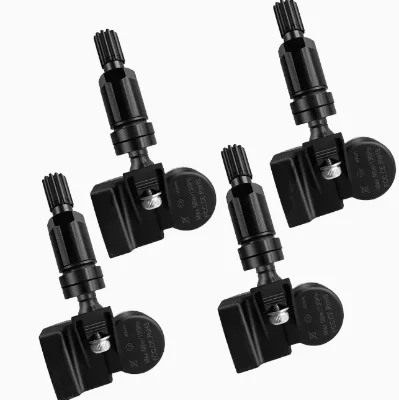
Find a universal tpms sensor for Jac vehicles with 30 available options. Compare digital sensors for Nissan and Jac T6/T8 pickups, featuring 433 MHz or 315 MHz frequencies, 5V voltage, and CE certification for reliable tire pressure monitoring; compare the available evidence and request quotations based on your requirements.
Key considerations
Products List


Comprehensive Sourcing Guide
Universal TPMS Sensor for JAC Sourcing Guide
Sourcing replacement Tire Pressure Monitoring System (TPMS) sensors for JAC vehicles requires careful attention to frequency compatibility and model-specific fitment. The available inventory indicates support for specific JAC models such as the T6 and T8 pickups, with part numbers like DJC-JAC4-12145A explicitly listed for these applications. Buyers must verify that the selected sensor matches the original equipment manufacturer’s specifications to ensure proper integration with the vehicle’s onboard computer. Mismatched frequencies or incompatible mounting styles can lead to system failures, making precise model verification a critical first step in the procurement process.
Beyond basic fitment, the diversity of available frequencies and colors suggests a broad range of aftermarket options designed for different regional standards and vehicle trims. Listings show sensors operating at both 315 MHz and 433 MHz, which are the two primary global standards for TPMS communication. Procurement teams must confirm the exact frequency required by the specific JAC vehicle year and region before placing orders. Additionally, the presence of various part numbers like 407003JA0A and 40700JA01B highlights the need for rigorous cross-referencing to avoid ordering incorrect components that may not function correctly with the vehicle’s existing tire pressure monitoring architecture.
Product Scope and Observed Listing Signals
The observed product range includes digital sensors designed for replacement and repair purposes, catering primarily to the automotive aftermarket sector. Key attributes such as a 5V voltage requirement and a working temperature range of -20°C to 80°C indicate robust performance capabilities suitable for diverse environmental conditions. The sensors are packaged in OPP bags or cartons, with specific dimensions like 18162 cm noted for certain bulk packing configurations. These packaging details are essential for logistics planning, as they directly impact storage requirements and shipping costs for bulk procurement orders.
Market signals reveal a wide variation in minimum order quantities, ranging from single units to 500 pieces, allowing buyers to scale their purchases according to immediate demand or long-term inventory strategies. The listed price range of $2.26 to $36 USD reflects differences in sensor technology, frequency, and included accessories. Buyers should note that while some listings offer low MOQs for testing, larger orders may unlock better commercial terms. Understanding these market signals helps in budgeting accurately and selecting suppliers who can meet both small-scale trial needs and large-scale distribution requirements efficiently.
Technical Specifications to Verify
Verifying the output signal type and sensor technology is crucial for ensuring compatibility with JAC vehicle systems. The available data points to digital output sensors, which provide precise readings compared to analog alternatives. Buyers must confirm whether the sensor utilizes a capacitive pressure transmitter or a semiconductor type component, as this affects accuracy and longevity. The specified tire pressure accuracy of ±0.1 bar and temperature accuracy of ±2°C are critical performance metrics that ensure reliable monitoring and prevent false alarms or missed warnings in the vehicle’s dashboard display.
Frequency selection remains a pivotal technical consideration, with options available at 315 MHz and 433 MHz. Procurement teams must match the sensor frequency to the vehicle’s receiver to ensure seamless communication. Additionally, the max pressure rating of 0-8 bar (0-116 psi) should be checked against the tire specifications of the target JAC model to ensure the sensor can withstand operational pressures without failure. The battery life expectancy, ranging from 18 to 54 months, also influences total cost of ownership, with longer-lasting sensors reducing the frequency of replacements and associated labor costs for fleet managers.
Compliance and Safety Documentation
Ensuring that TPMS sensors meet relevant safety and electromagnetic compatibility standards is essential for legal compliance and vehicle safety. The presence of CE certification in some listings indicates adherence to European health, safety, and environmental protection standards. Buyers should request valid certification documents from suppliers to verify that the sensors have undergone necessary testing for radio frequency emissions and electrical safety. This documentation is particularly important for exports to regulated markets where non-compliant components can lead to customs delays or legal liabilities.
Beyond certification, the material composition and IP rating of the sensors contribute to their durability and safety. Listings mention plastic materials and varying IP ratings, which protect the internal electronics from moisture and dust ingress. Buyers should verify the specific IP rating required for their application, especially if the sensors will be exposed to harsh environmental conditions. Confirming that the sensor housing is robust and resistant to corrosion ensures long-term reliability and prevents premature failure due to environmental stress, thereby maintaining the integrity of the tire pressure monitoring system.
Cost Drivers and Commercial Terms
Several factors influence the final cost of TPMS sensors, including the frequency, battery type, and packaging requirements. Higher frequencies or specialized models may command premium prices, while bulk purchases can reduce the per-unit cost significantly. The observed MOQ range of 1 to 500 pieces allows for flexible ordering, but buyers should negotiate volume discounts for larger commitments. Understanding these cost drivers helps in creating accurate budgets and identifying opportunities for savings through strategic ordering and supplier negotiations.
Commercial terms such as payment methods and shipping options also impact the overall procurement cost. Listings indicate acceptance of TT, Western Union, and Trade Assurance, providing secure payment options for international transactions. Shipping terms like Air Sear Express Delivery suggest fast turnaround times, which can be crucial for urgent repair needs. Buyers should evaluate the total landed cost, including shipping and insurance, rather than just the unit price, to make informed decisions. Clear communication of these terms with suppliers ensures transparency and prevents unexpected expenses during the procurement process.
Supplier Qualification and Quality Control
Evaluating supplier qualifications is vital for ensuring the reliability and consistency of TPMS sensor supplies. Buyers should verify the supplier’s production capabilities, including their ability to handle integration processes and maintain quality control standards. The mention of normal wirewound production processes for some components suggests a focus on traditional manufacturing methods, while digital sensors may involve more advanced assembly techniques. Requesting samples and conducting quality checks before placing large orders helps identify potential defects or inconsistencies in the product line.
Quality control measures should include testing for frequency accuracy, pressure sensitivity, and battery life. Buyers should establish clear acceptance criteria based on the technical specifications provided, such as the ±0.1 bar pressure accuracy and ±2°C temperature accuracy. Implementing a rigorous inspection process, whether through third-party agencies or in-house teams, ensures that only compliant products reach the end user. This proactive approach minimizes the risk of returns and warranty claims, protecting the buyer’s reputation and reducing operational disruptions.
Long-Term Procurement Checks
Establishing long-term procurement strategies involves regular reviews of supplier performance and product quality. Buyers should monitor key performance indicators such as delivery times, defect rates, and customer feedback to assess supplier reliability. The listed delivery time of 3-5 days is a positive indicator, but consistency in meeting these timelines is crucial for maintaining inventory levels. Regular audits and performance reviews help identify areas for improvement and strengthen the partnership with reliable suppliers.
Additionally, staying updated on technological advancements and regulatory changes in the TPMS industry is essential for future-proofing procurement strategies. As vehicle manufacturers continue to evolve their monitoring systems, buyers must ensure that their sourced sensors remain compatible with new models and standards. Building a diverse supplier base can mitigate risks associated with single-source dependencies and provide flexibility in responding to market changes. Continuous engagement with suppliers and industry networks ensures access to the latest products and best practices in TPMS sourcing.
FAQs
What is the voltage requirement for these sensors?
The voltage requirement is 5V for the digital sensor models listed. This specification applies to the integration process used in production. Buyers should verify this matches their vehicle system before ordering to ensure proper functionality and compatibility with the Nissan or JAC models mentioned.
Which frequency sensors are available for purchase?
Available frequencies include 433 MHz and 315 MHz depending on the specific model. Some units operate at 433MHz while others use 315 MHz. Select the correct frequency based on your vehicle's existing system to ensure the sensor communicates effectively with the receiver unit without interference.
Can I customize the packaging for bulk orders?
Customization is available for certain product attributes, though some items are listed as non-customized. Standard packaging includes OPP bags or cartons with specific dimensions. Buyers should confirm customization options with the supplier before placing an order to ensure the packaging meets their specific logistical needs.
What is the maximum pressure rating for these sensors?
The maximum pressure rating is 0-8 bar, 0-116 psi, or 0-800 kpa. This range applies to the pressure sensor standard used in the product line. Ensure your application stays within these limits to maintain accuracy and prevent damage to the sensor during operation in various tire pressure conditions.
How long does delivery take for these products?
Product delivery typically takes 3-5 days after the order is confirmed. This lead time applies to the standard shipping terms offered. Buyers should account for this duration when planning their inventory replenishment to avoid stockouts during the repair or replacement process for their vehicles.
What is the minimum order quantity for these sensors?
The minimum order quantity is 4 pieces for most listed items. Some listings may show ranges from 1 to 500 units depending on the specific model. Buyers should check the specific product page to confirm the exact MOQ required for their selected model before initiating the purchase transaction.
Which models are compatible with these universal sensors?
These sensors are applicable for Nissan models and specific JAC models like T6 and T8. The product models include codes such as 407003JA0A and DJC-JAC4-12145A. Verify the exact model code against your vehicle specifications to ensure a proper fit and function for your repair or replacement needs.